Back Pain Relief
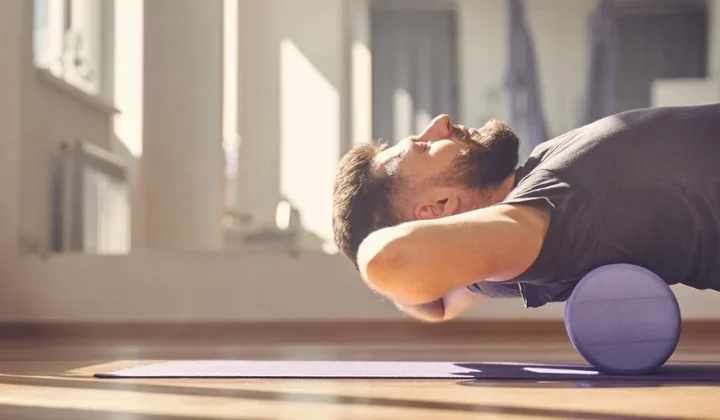
Back pain can make sitting, bending, lifting, sleep, work, and exercise feel unpredictable. We start by understanding how your symptoms behave and what you need to get back to.
Read moreConditions & concerns
Start with the problem that feels most familiar. Explore common conditions and concerns we assess, then book when you are ready to talk through what is limiting you.
Back pain can make sitting, bending, lifting, sleep, work, and exercise feel unpredictable. We start by understanding how your symptoms behave and what you need to get back to.
Read more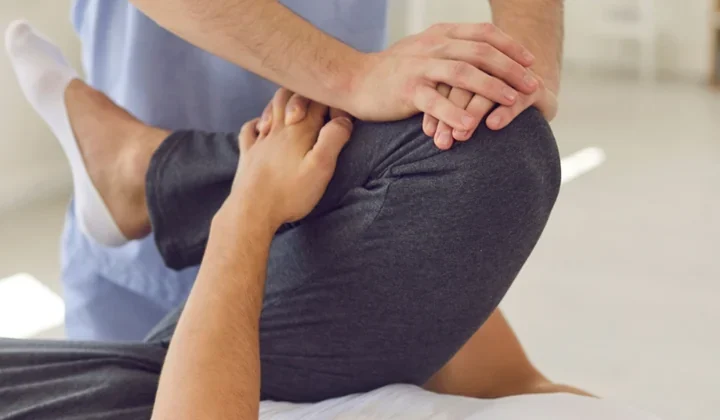
Pain, tingling, numbness, or sensitivity into the buttock or leg can make walking, sitting, sleep, and work difficult. The first step is identifying the pattern and whether it behaves like a nerve-related problem.
Read more
Neck pain can affect driving, desk work, sleep, exercise, and even how comfortable it feels to turn your head. Care starts with understanding the movement and workload behind your symptoms.
Read more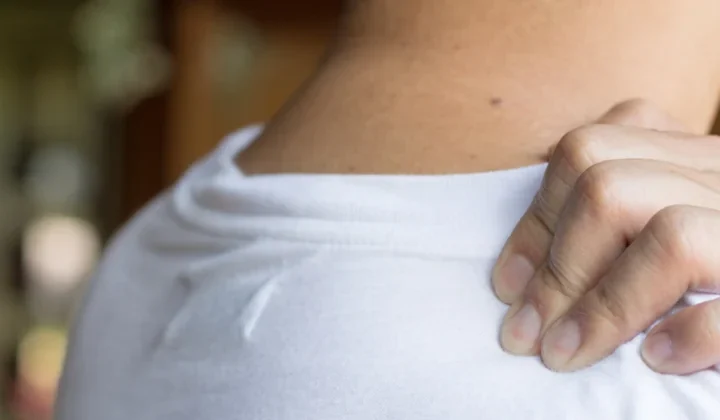
Shoulder pain can make reaching, dressing, sleeping, lifting, and overhead work surprisingly difficult. We assess how the shoulder moves, loads, and coordinates with the rest of the upper body.
Read more
Elbow pain can make gripping, lifting, carrying, computer work, tools, racquet sports, and gym training uncomfortable. Treatment should reflect the exact loads that provoke your symptoms.
Read more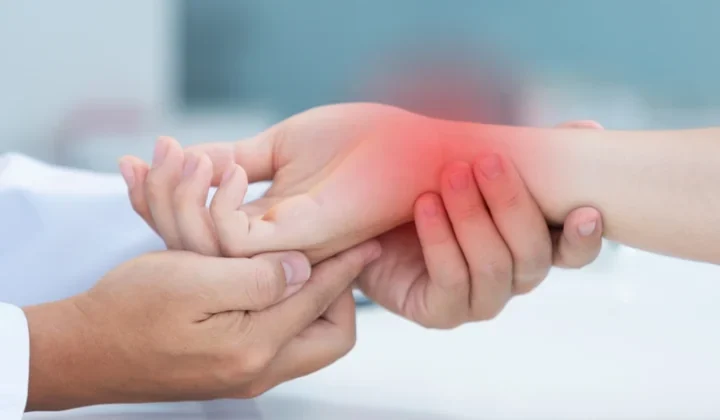
Wrist pain can affect typing, lifting, pushing, gripping, sport, and simple tasks like opening a jar. A useful plan starts with the exact position and load that triggers symptoms.
Read more
Hand pain or stiffness can affect grip, dexterity, work, hobbies, and self-care. We focus on the movements and loads that are limiting function rather than treating the hand in isolation.
Read more
Hip pain can show up with walking, stairs, sitting, sleeping, running, or getting in and out of a car. We look at how the hip handles movement and load across your day.
Read more
Knee pain can change how you use stairs, squat, walk, run, kneel, or exercise. The right plan depends on the exact movement and loading pattern behind your symptoms.
Read more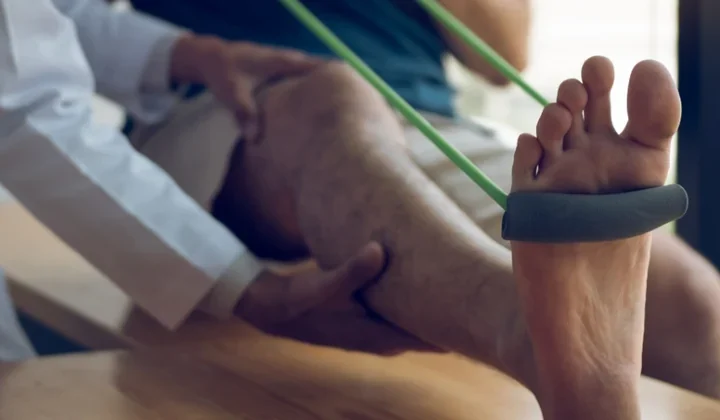
Ankle pain or instability can change walking, stairs, running, balance, and confidence on uneven ground. Rehabilitation should restore both movement and trust in the joint.
Read more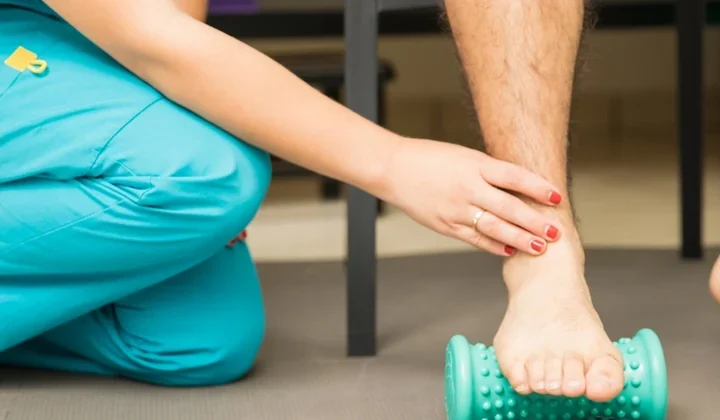
Foot pain can make every step feel more expensive. We assess how the foot, ankle, calf, and whole lower limb share load during standing, walking, and exercise.
Read more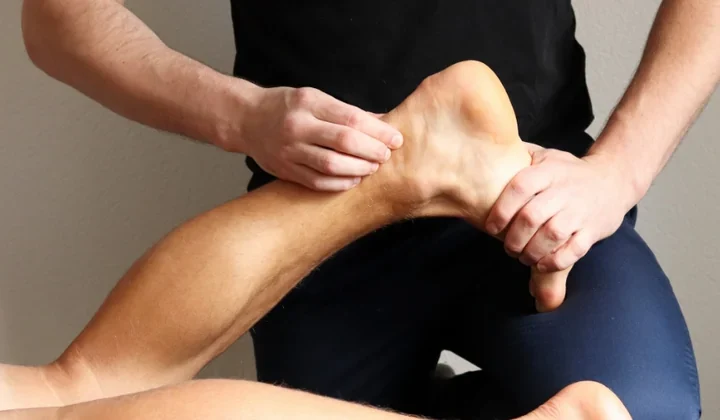
Achilles pain often shows up with the first steps in the morning, walking, running, hills, or jumping. Recovery usually depends on rebuilding tendon and calf capacity progressively.
Read more

Feeling unsteady can change how confidently you walk, turn, use stairs, or move in busy environments. Assessment helps identify the balance systems and functional tasks that need attention.
Read more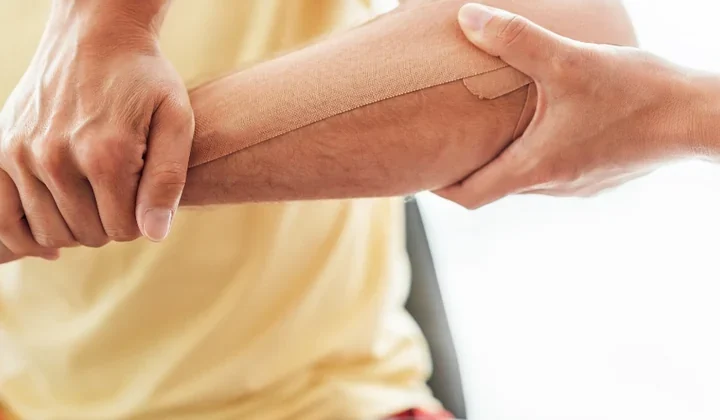
Numbness, tingling, hand discomfort, or night symptoms can interfere with sleep, typing, tools, and grip. Assessment helps determine how the wrist, hand, nerve sensitivity, and activity demands are interacting.
Read more
Neck pain with arm pain, tingling, numbness, or weakness can be disruptive and concerning. Care starts with a neurological and movement assessment to understand the pattern.
Read more
When pain has lasted for months or years, the goal is not to chase every flare. Physiotherapy can help rebuild movement, capacity, confidence, and a more predictable relationship with activity.
Read more

A fall, near fall, or growing fear of falling can quickly reduce independence. Physiotherapy can assess the strength, balance, walking, and environmental demands that affect safety.
Read more
Fibromyalgia can involve widespread pain, fatigue, sleep disruption, and reduced tolerance for activity. Physiotherapy should be paced carefully and built around consistency rather than intensity.
Read more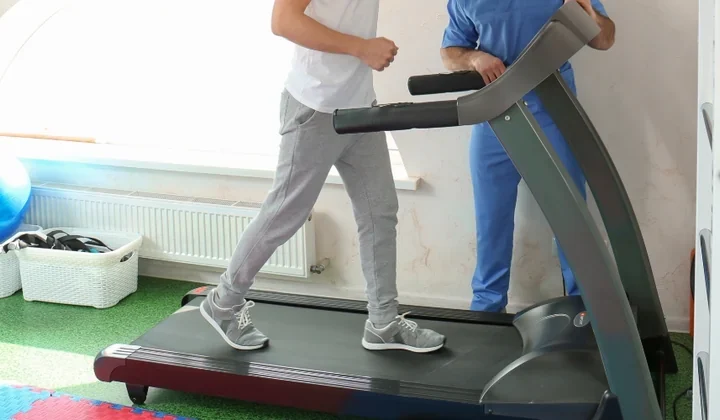
Changes in walking can affect independence, energy, balance, and confidence. Physiotherapy looks at the specific strength, coordination, mobility, and balance demands behind your gait.
Read more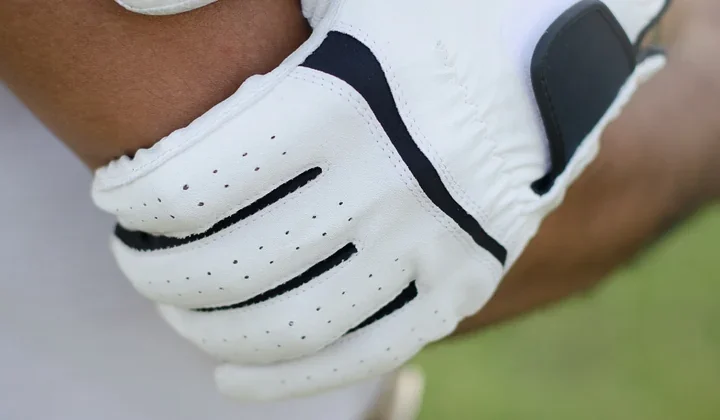
Pain on the inside of the elbow can affect gripping, lifting, golf, racquet sports, tools, and gym work. Recovery usually requires rebuilding tendon and forearm capacity for those exact loads.
Read more

After a collision, pain, stiffness, headaches, dizziness, reduced confidence, and activity limitations can appear together. Rehabilitation should be organized around your specific presentation and recovery stage.
Read more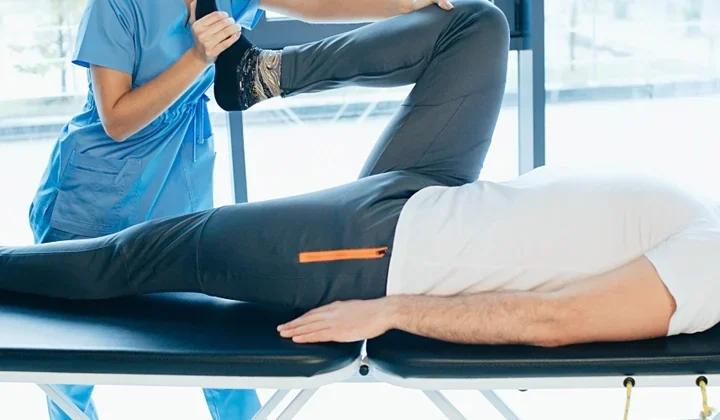
Neurological conditions can affect strength, balance, coordination, walking, transfers, endurance, and independence. Physiotherapy focuses on meaningful function and the tasks that matter most in daily life.
Read more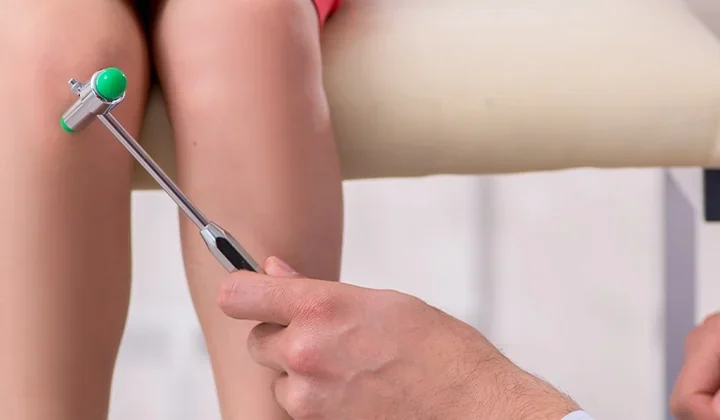
Muscle, joint, tendon, ligament, and bone injuries can interrupt work, exercise, sport, and daily life. Rehabilitation should match both healing stage and the demands you plan to return to.
Read more
Heel pain with the first steps in the morning or after longer periods on your feet can make walking and exercise frustrating. A useful plan looks at both local foot load and the capacity of the calf and lower limb.
Read more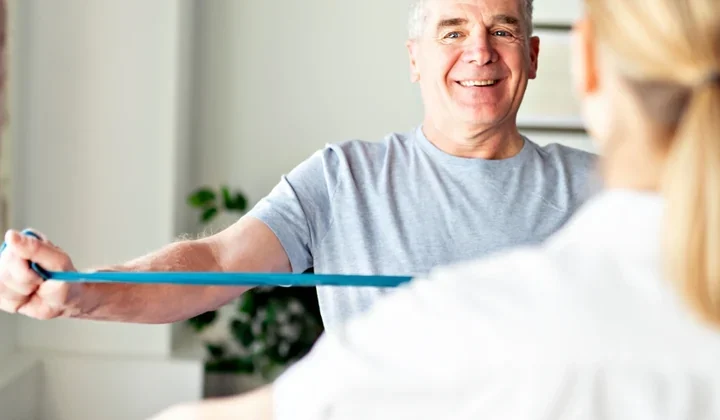
Preparing for surgery can include more than paperwork. Pre-surgical physiotherapy can help you understand movement expectations, build useful strength, and plan for the early recovery period.
Read more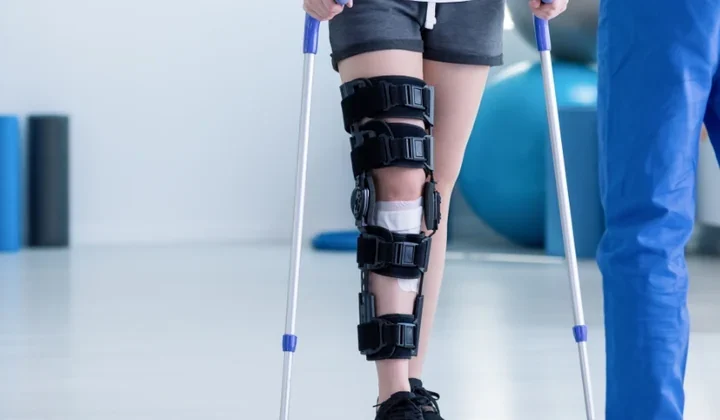
After surgery, the path back to function is usually staged. Physiotherapy helps translate surgical precautions and healing timelines into progressive movement, strength, and real-world activity.
Read more
Sports injuries need more than a pain-free day before return. Rehabilitation should rebuild the strength, speed, control, endurance, and confidence your sport actually requires.
Read more
Pain on the outside of the elbow can make gripping, lifting, computer work, racquet sports, and gym training uncomfortable. Recovery usually involves rebuilding tendon and forearm capacity.
Read more
Arm symptoms associated with thoracic outlet syndrome can involve pain, heaviness, tingling, fatigue, or position sensitivity. Care starts with careful screening because similar symptoms can come from different sources.
Read more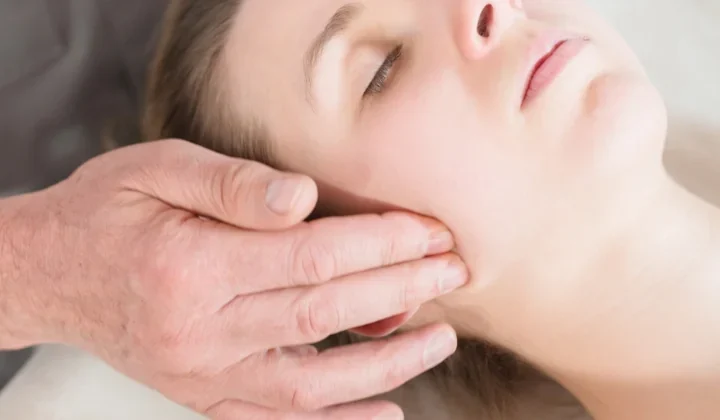
Jaw pain, clicking, tightness, headaches, or difficulty opening can affect eating, speaking, sleep, and concentration. The jaw also works closely with the neck and surrounding muscles.
Read more
After a hip, knee, or shoulder replacement, rehabilitation helps translate healing into movement, strength, and confidence for everyday life.
Read more
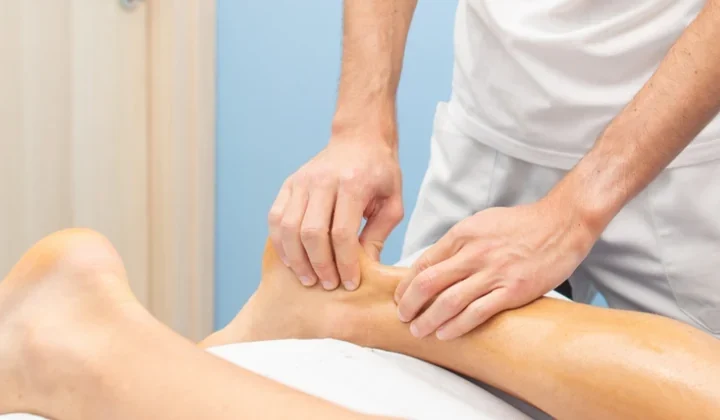
Work injuries can affect more than pain, they can change lifting, standing, reaching, driving, concentration, and confidence about returning to full duties.
Read moreNot sure where your symptoms fit?
Tell us what hurts, what feels difficult, or what you want to get back to. We can help you decide the next step.