
Balance
Progressive standing and walking tasks can challenge the systems responsible for postural control.
Assessment-led dizziness and balance rehabilitation
Vestibular rehabilitation is a specialized exercise-based approach for appropriate dizziness, balance, gaze-stability, and motion-sensitivity problems. Because dizziness has many causes, the assessment comes first.
Book an AssessmentA treatment plan with a reason behind it
Vestibular rehabilitation is used for selected problems involving the inner-ear balance system and the way the brain integrates head, eye, and body movement. Symptoms may include dizziness, imbalance, visual motion sensitivity, or difficulty stabilizing vision during head movement.
Not every dizzy patient needs vestibular exercises. A physiotherapy assessment helps identify the pattern, screen for concerns that need medical review, and determine whether vestibular rehabilitation is appropriate.
Understanding the treatment
Vestibular rehabilitation can include gaze-stability exercises, balance training, habituation to provoking movement, walking tasks, and positional testing or repositioning when indicated.
Exercises are selected according to the specific vestibular findings rather than using one generic dizziness routine.
Why it may be used
When symptoms are linked to a vestibular problem, targeted exercise can help the nervous system adapt, compensate, and improve balance or visual stability. The type and dose of exercise depend on the diagnosis and symptom response.
What it may support
The value of a treatment method is measured by whether it supports meaningful movement, capacity, and progress, not simply by whether it was performed.
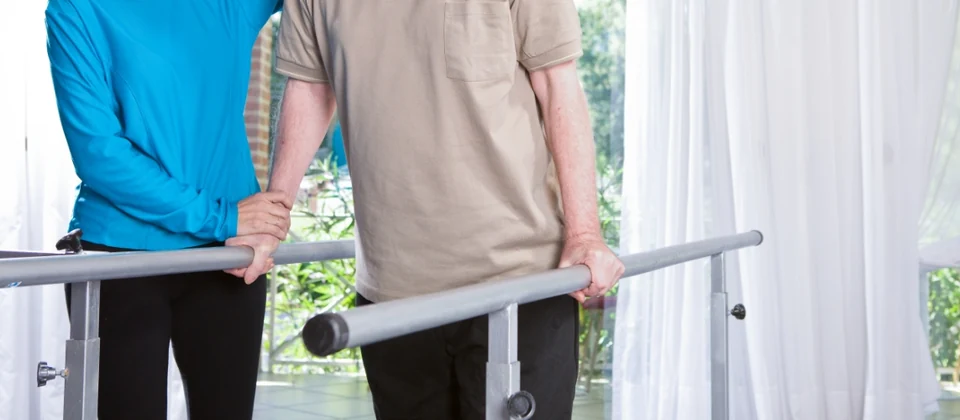
Progressive standing and walking tasks can challenge the systems responsible for postural control.
Selected exercises may train clearer vision during head movement in appropriate vestibular conditions.
Gradual exposure may reduce sensitivity to movements or environments that reliably provoke symptoms.
Practice can progress toward turning, walking outdoors, shopping, driving, or other meaningful activities.
What to expect
The exact technique may change, but the logic should stay understandable: assess, choose a purpose, check the response, and keep moving toward independence.
We review triggers, duration, associated symptoms, balance, and relevant medical history.
Vestibular, eye-movement, balance, and positional tests are used when appropriate.
Treatment is selected from the actual findings, not from the word 'dizziness' alone.
Head movement, walking, visual environments, and balance demands are advanced gradually.
Ready when you are
Book a vestibular assessment to determine whether this type of rehabilitation is appropriate for your symptoms.
Your local Milton clinic
You do not need to know which technique to book. Tell us what is bothering you and what you want to get back to, and we can help determine the next step.