Manual Therapy
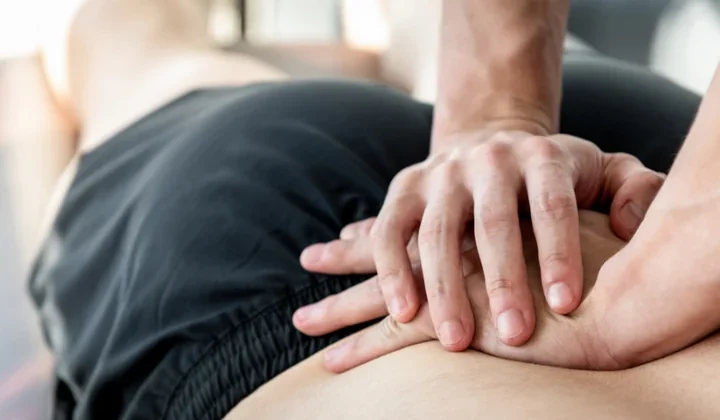
Manual therapy can be useful when pain or stiffness makes movement difficult. We use hands-on treatment selectively, then connect any change in comfort or mobility to exercise and real-life function.
Read moreAssessment-led physiotherapy
Treatment should follow the assessment, not the other way around. We use hands-on care, exercise, balance training, education, and other clinical tools when they fit what we find and the goals you are working toward.
Our treatment philosophy
No single technique is right for every person or every condition. Your physiotherapist starts with the story, movement, symptoms, and functional demands that matter to you. From there, the plan can combine the approaches that make sense, then change as your movement, strength, confidence, and goals change.
Treatment approaches
Explore common treatment approaches used in physiotherapy. Availability and suitability depend on your assessment and clinical needs.
Manual therapy can be useful when pain or stiffness makes movement difficult. We use hands-on treatment selectively, then connect any change in comfort or mobility to exercise and real-life function.
Read more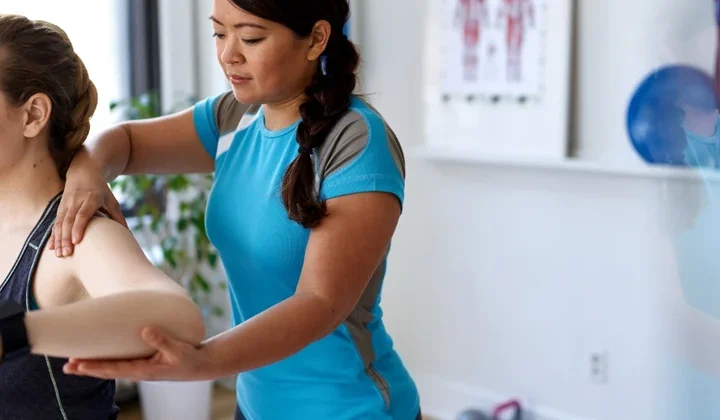
Active Release Techniques (ART) combine focused therapist contact with guided movement. When appropriate, the approach can be used as one tool to address soft-tissue sensitivity and restore more comfortable motion.
Read more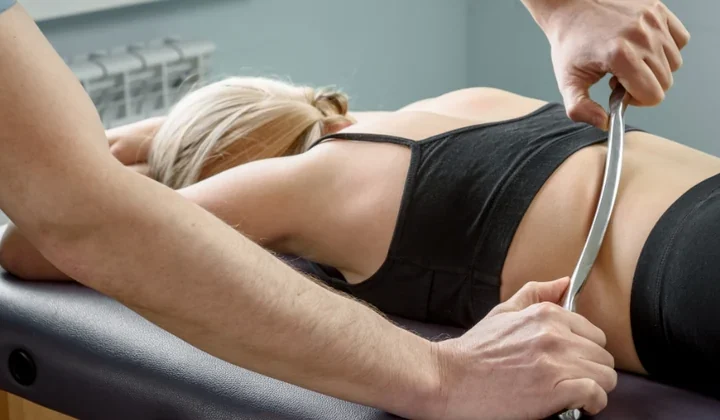
Instrument-Assisted Soft Tissue Mobilization uses a clinical tool over selected tissues. It may be used to support comfortable movement or loading, but it remains one part of a broader rehabilitation plan.
Read more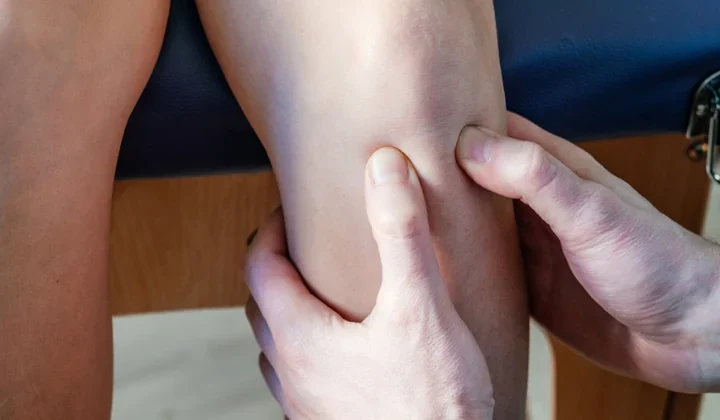
Joint mobilization uses graded therapist-guided movement when stiffness or pain is limiting useful range. The goal is not simply more motion, it is movement you can use with confidence.
Read more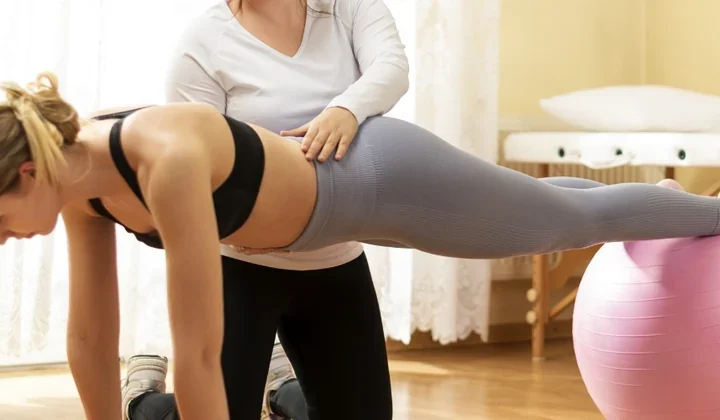
Therapeutic exercise uses movement deliberately, to improve strength, mobility, balance, endurance, control, or confidence based on your assessment and goals.
Read more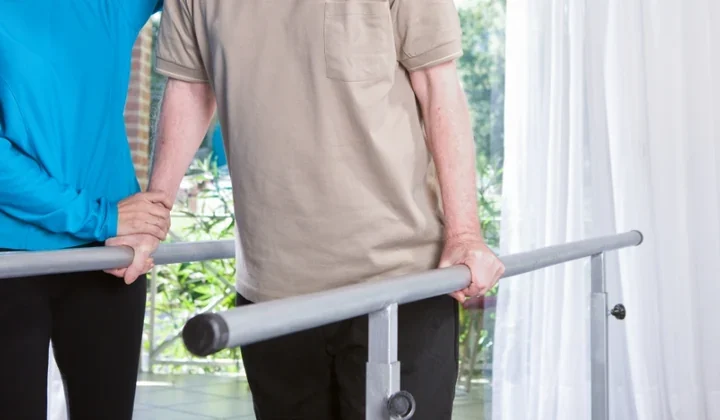
Vestibular rehabilitation is a specialized exercise-based approach for appropriate dizziness, balance, gaze-stability, and motion-sensitivity problems. Because dizziness has many causes, the assessment comes first.
Read more
Geriatric physiotherapy focuses on strength, balance, walking, transfers, endurance, and confidence so everyday movement can remain as safe and independent as possible.
Read more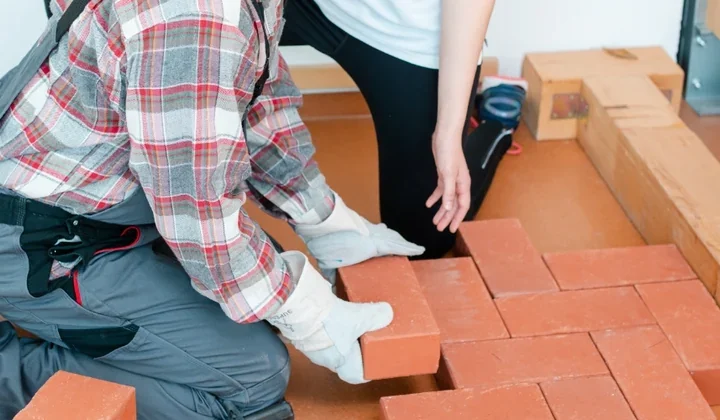
Workplace and industrial rehabilitation connects recovery to the lifting, carrying, reaching, standing, driving, and endurance demands of your actual job.
Read more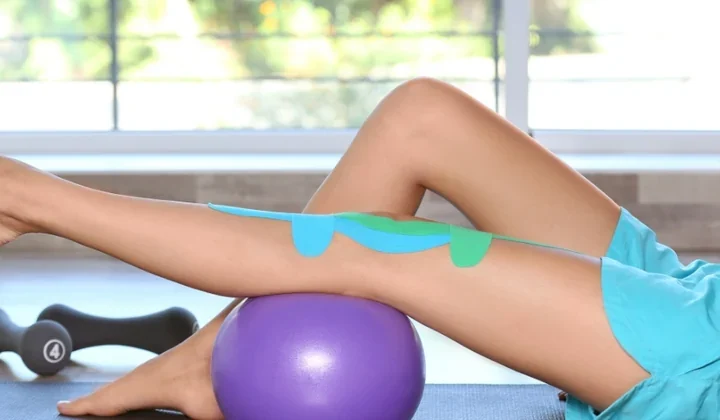
Therapeutic taping may provide short-term support, sensory feedback, or comfort during movement. It is used selectively and should not replace exercise or rehabilitation.
Read more
Therapeutic ultrasound is a clinic-based modality that may be considered for selected presentations. It is not necessary for every injury and should not replace active rehabilitation.
Read more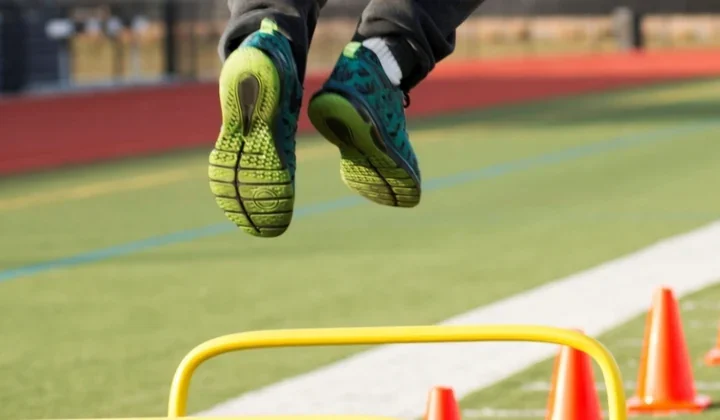
ACL injury-prevention training focuses on strength, landing, deceleration, balance, and change-of-direction skills that can be integrated into sport preparation.
Read more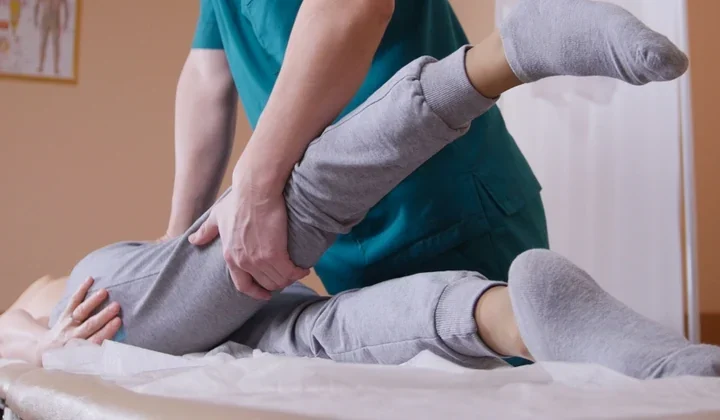
Assisted stretching and mobility work can help you access a comfortable range that is difficult to reach on your own. The next step is learning to control and use that range.
Read more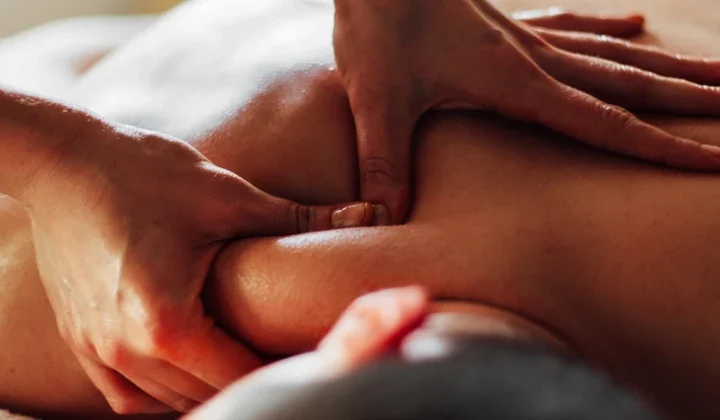
Soft tissue therapy may help with short-term comfort and movement when muscles or surrounding tissues are sensitive. It works best as part of a plan that also restores capacity.
Read more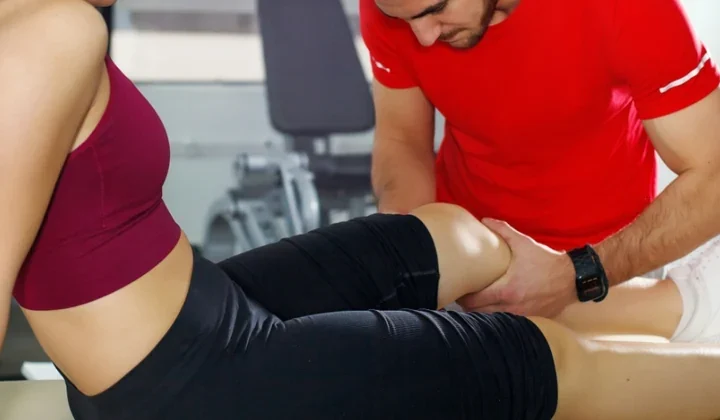
Sports rehabilitation progresses beyond pain relief toward the strength, speed, endurance, power, movement control, and confidence required for training and competition.
Read moreNot sure what treatment you need?
Tell us what is bothering you and what you want to get back to. We can help determine which treatment approaches, if any, belong in your plan.
Your local Milton clinic
Questions about a treatment approach or whether physiotherapy is appropriate? Contact the clinic and we can help you decide the next step.