
Understand the problem
We start with your story, symptoms, movement, daily demands, and the activities you want to get back to.
About MiltonPhysioRehab
Physiotherapy should feel clear, personal, and connected to the life you want to live. We start by understanding what is getting in the way, then build a plan around your goals and current capacity.
Book an AssessmentCare centred on you
Pain may be the reason you book, but it is rarely the only thing that matters.
We look at how your symptoms behave, how you move, the demands of work and daily life, previous injuries, activity goals, and the things that have already helped or aggravated the problem. That wider picture helps your physiotherapist decide what deserves attention first.
Your first plan is a starting point, not a script. As movement, tolerance, strength, confidence, and goals change, we reassess and adjust the plan so rehabilitation stays relevant to where you are now.


How we approach care
The exact treatment can differ from person to person, but the reasoning behind good care should always be understandable.
We start with your story, symptoms, movement, daily demands, and the activities you want to get back to.
Your physiotherapist connects the findings in clear language so you understand the reasoning behind the plan.
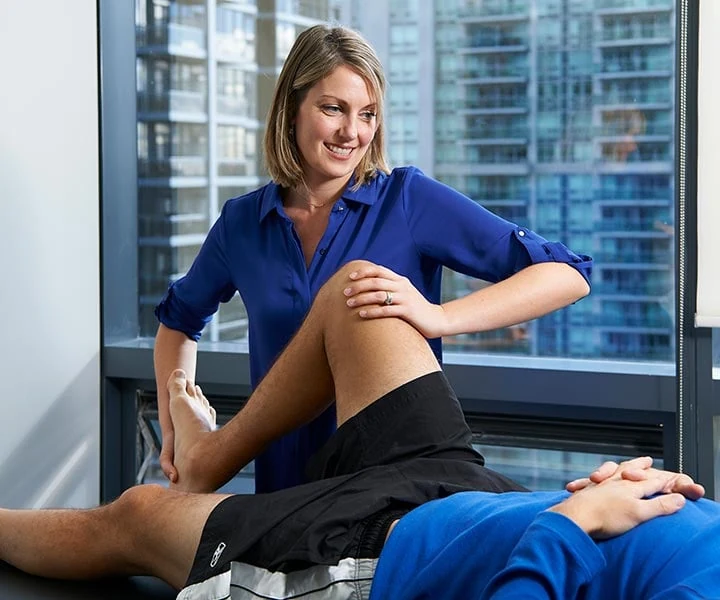
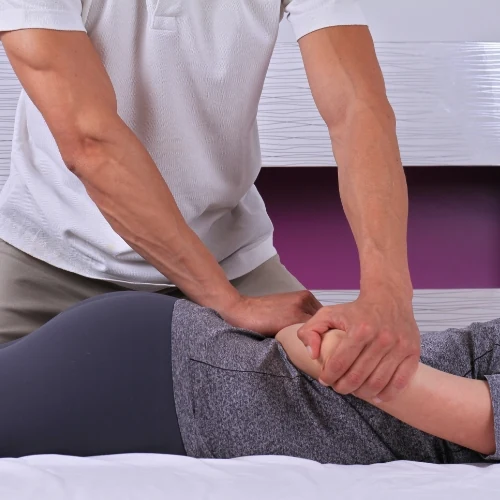
Care may combine education, exercise, hands-on treatment, and progressive activity when those tools fit your assessment.
The plan changes as your symptoms, movement, strength, confidence, and real-life demands change.
What makes our practice different
We focus on clinical reasoning, communication, and progressive rehabilitation so each part of the plan has a purpose.
Your priorities help shape what we work on and how progress is judged.
Treatment choices are guided by assessment findings, clinical reasoning, and current evidence.
Questions are encouraged and decisions are discussed, not simply handed to you.
We explain the why behind exercises, pacing, and activity changes so the plan makes sense.
Rehabilitation is connected to work, family life, sport, recreation, and the movement that matters to you.
With you through the process
Whether you are dealing with a recent injury, a longer-standing problem, recovery after surgery, or difficulty returning to an activity, the goal is to build useful capacity, not simply complete exercises in the clinic.

Meet the team
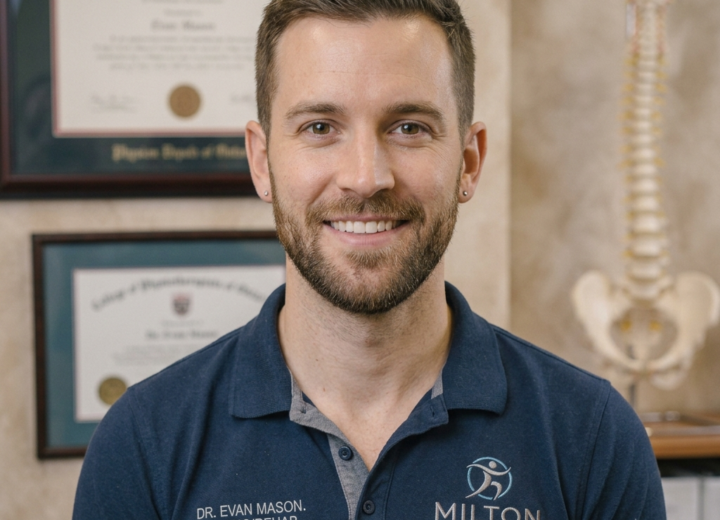
Meet the clinicians and team members who may support your care. Seeing their roles and familiar faces before your visit can help the clinic feel more comfortable from the start.



Progress built on trust
Good rehabilitation is a partnership. We want you to feel comfortable asking questions, discussing concerns, and understanding the purpose of each part of your plan. Progress is reviewed against the things that matter to you rather than a promise of a specific result.
Ask Us a QuestionYour next steps
You do not need to know which treatment you need before booking. Start by telling us what is limiting you and what you want to return to.
Choose a time to start the conversation about your symptoms and goals.
Your physiotherapist reviews the history, movement, and functional demands that are most relevant.
Treatment and exercise are selected according to what the assessment suggests and what you can tolerate.
Build capacity and confidence toward the activities that matter in your everyday life.
Start with an assessment