
Strength and power
Progressive loading prepares tissues and muscles for higher sport forces.
Return-to-sport rehabilitation
Sports rehabilitation progresses beyond pain relief toward the strength, speed, endurance, power, movement control, and confidence required for training and competition.
Book an AssessmentA treatment plan with a reason behind it
Athletes need to tolerate forces, speeds, repetitions, and decisions that ordinary daily activity does not require. Rehabilitation should become progressively more specific as healing and capacity improve.
We build from foundational movement and strength toward running, jumping, landing, change of direction, throwing, or other sport-specific demands when appropriate.
Understanding the treatment
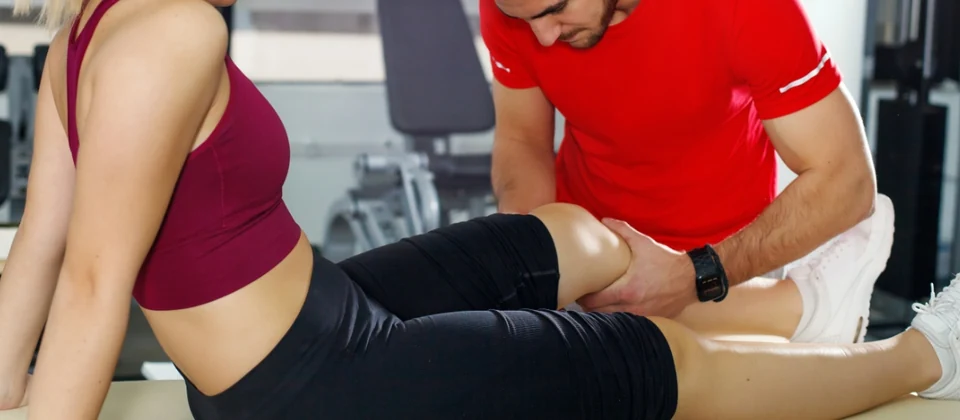
Sports rehabilitation is a staged process that connects injury recovery to the physical demands of the athlete's sport and position.
It can include strength, power, speed, conditioning, agility, balance, movement retraining, load management, and a structured return to practice.
Why it may be used
A body can tolerate controlled clinic exercises but still be underprepared for sprinting, jumping, contact, cutting, fatigue, or competition speed. Sport-specific exposure helps close that gap.
What it may support
The value of a treatment method is measured by whether it supports meaningful movement, capacity, and progress, not simply by whether it was performed.
Progressive loading prepares tissues and muscles for higher sport forces.
Running, deceleration, and cutting can be reintroduced systematically.
Capacity can progress from short drills toward the repeated efforts required in training.
Measurable progression provides clearer information than simply waiting for pain to disappear.
What to expect
The exact technique may change, but the logic should stay understandable: assess, choose a purpose, check the response, and keep moving toward independence.
We identify the demands of your activity, position, training schedule, and injury.
Strength, mobility, balance, and conditioning are progressed first.
Speed, jumping, cutting, throwing, or other tasks are introduced when appropriate.
Return moves from controlled drills toward training and competition demands.
Ready when you are
A sports rehabilitation assessment can help turn recovery into a measurable path back to training and competition.
Your local Milton clinic
You do not need to know which technique to book. Tell us what is bothering you and what you want to get back to, and we can help determine the next step.