
Access to range
Guidance may make a restricted movement easier to explore without forcing it.
Guided mobility with active follow-through
Assisted stretching and mobility work can help you access a comfortable range that is difficult to reach on your own. The next step is learning to control and use that range.
Book an AssessmentA treatment plan with a reason behind it
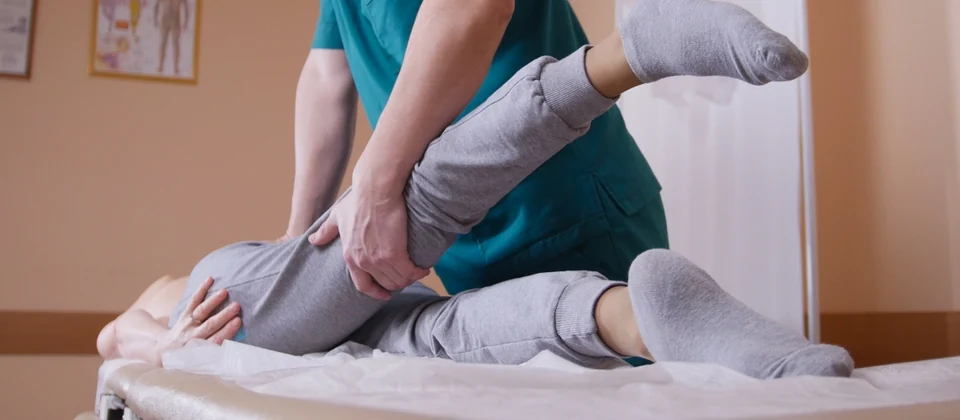
Assisted mobility may involve therapist-guided stretching, positioning, or movement to help a stiff or guarded region move more comfortably.
We connect passive mobility work to active range, strength, and task practice so the goal is not simply feeling looser for a few hours.
Understanding the treatment
Assisted stretching uses external support from the therapist to guide a muscle or joint through a selected range. Mobility work may also include active-assisted movement and techniques targeted to a specific restriction.
The amount of stretch is adjusted to comfort and the clinical goal. Aggressive stretching is not automatically better.
Why it may be used
Assistance can be useful when pain, stiffness, weakness, or fear makes it difficult to explore a range independently. It can provide a starting point before active movement takes over.
What it may support
The value of a treatment method is measured by whether it supports meaningful movement, capacity, and progress, not simply by whether it was performed.
Guidance may make a restricted movement easier to explore without forcing it.
Slow supported movement can help some people feel safer in a sensitive range.
Mobility work can prepare the area for strengthening through the newly available range.
Hands-on guidance can help clarify the direction and quality of a movement.
What to expect
The exact technique may change, but the logic should stay understandable: assess, choose a purpose, check the response, and keep moving toward independence.
We determine which limited range is actually affecting function.
Assistance is used only to the level that helps you move comfortably.
You begin using your own muscles through the available range.
Strength and task practice help make the mobility useful and durable.
Ready when you are
Book an assessment to determine whether assisted mobility is useful and what active work should follow it.
Your local Milton clinic
You do not need to know which technique to book. Tell us what is bothering you and what you want to get back to, and we can help determine the next step.