
Range of motion
Graded movement may help a stiff joint access a more comfortable range.
Skilled joint movement
Joint mobilization uses graded therapist-guided movement when stiffness or pain is limiting useful range. The goal is not simply more motion. It is movement you can use with confidence.
Book an AssessmentA treatment plan with a reason behind it
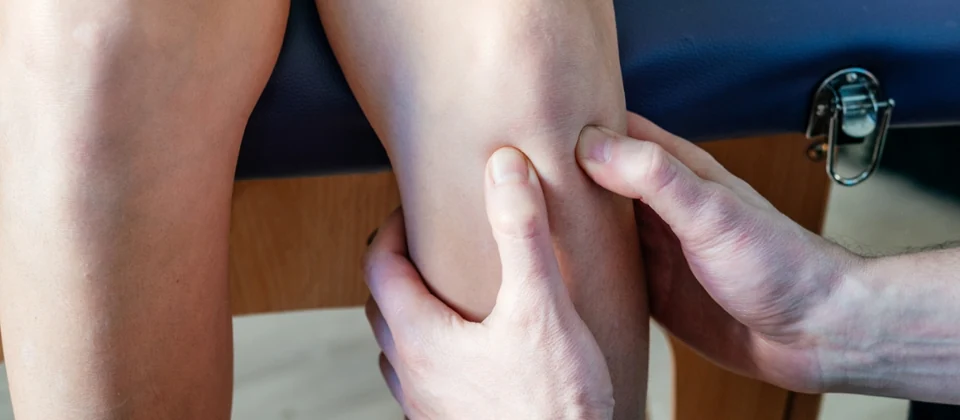
Joint mobilization is a hands-on technique in which a physiotherapist applies controlled, graded movement to a joint. Different directions and intensities are selected according to the joint, symptom irritability, and desired movement.
When mobilization creates a useful improvement, we reinforce it with active range, strength, and functional practice so the change becomes relevant outside the clinic.
Understanding the treatment
Joint mobilization is different from forcing a joint through pain. It uses controlled movement within a range chosen for the clinical goal, such as reducing sensitivity or improving access to motion.
It may be considered after injury, surgery, immobilization, or in other presentations where joint stiffness is meaningfully limiting function and precautions allow it.
Why it may be used
Joint mobilization may be useful when restricted motion is making walking, reaching, squatting, turning, or other activities more difficult. It is most valuable when the new range is then actively used and strengthened.
What it may support
The value of a treatment method is measured by whether it supports meaningful movement, capacity, and progress, not simply by whether it was performed.
Graded movement may help a stiff joint access a more comfortable range.
Some mobilization techniques may temporarily reduce pain or guarding during movement.
Improved motion can make strengthening and functional exercises easier to perform.
The goal is to carry mobility into reaching, walking, stairs, lifting, or other meaningful tasks.
What to expect
The exact technique may change, but the logic should stay understandable: assess, choose a purpose, check the response, and keep moving toward independence.
We assess which direction is limited and whether that restriction matters to function.
Mobilization intensity is matched to irritability, precautions, and the desired effect.
We check whether the relevant range or task changed.
Active mobility and strength are used to make the change more durable and useful.
Ready when you are
An assessment can help determine whether joint mobilization is appropriate and how to build on it.
Your local Milton clinic
You do not need to know which technique to book. Tell us what is bothering you and what you want to get back to, and we can help determine the next step.