
Comfortable movement
Hands-on treatment may help reduce sensitivity enough to make useful movement easier to practise.
Hands-on care within an active plan
Manual therapy can be useful when pain or stiffness makes movement difficult. We use hands-on treatment selectively, then connect any change in comfort or mobility to exercise and real-life function.
Book an AssessmentA treatment plan with a reason behind it
Manual therapy includes skilled hands-on techniques used to assess and treat movement restrictions, joint stiffness, and soft-tissue sensitivity. It may help make movement more comfortable in the short term for some presentations.
At Milton Physio & Rehab, manual therapy is used when it adds value to the larger rehabilitation plan. The goal is to create an opportunity for better movement, then reinforce that progress with strength, mobility, education, and activity.
Understanding the treatment
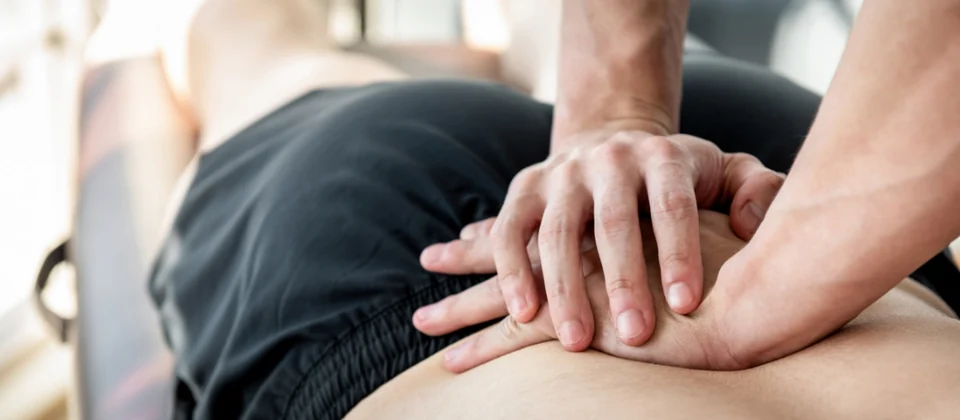
Manual therapy is an umbrella term for hands-on techniques applied to joints, muscles, and surrounding tissues. The amount of pressure, movement, and technique is chosen according to the body region, symptom irritability, and assessment findings.
It may include joint mobilization, soft-tissue techniques, assisted movement, or other therapist-guided approaches. Not every patient needs manual therapy, and more treatment is not automatically better.
Why it may be used
Manual therapy may be considered when pain, stiffness, or protective muscle tension is limiting comfortable movement. If it produces a useful short-term change, that window can be used to practise movement, exercise, and loading with greater confidence.
What it may support
The value of a treatment method is measured by whether it supports meaningful movement, capacity, and progress, not simply by whether it was performed.
Hands-on treatment may help reduce sensitivity enough to make useful movement easier to practise.
Graded joint techniques may be used when stiffness is a meaningful part of the assessment.
A temporary improvement in comfort can make it easier to begin or progress active rehabilitation.
Guided movement can help reduce guarding and build confidence around a previously uncomfortable direction.
What to expect
The exact technique may change, but the logic should stay understandable: assess, choose a purpose, check the response, and keep moving toward independence.
We identify which movements are limited and whether hands-on care is likely to add value.
Manual therapy is applied to a specific goal rather than used automatically at every visit.
Any improvement is paired with exercise, mobility, or task practice.
The plan gradually relies more on what you can do yourself between visits.
Ready when you are
Book an assessment to find out whether manual therapy belongs in your plan and what active work should follow it.
Your local Milton clinic
You do not need to know which technique to book. Tell us what is bothering you and what you want to get back to, and we can help determine the next step.